Sensemaking: Part 3
The System Deciding Which Reality You See

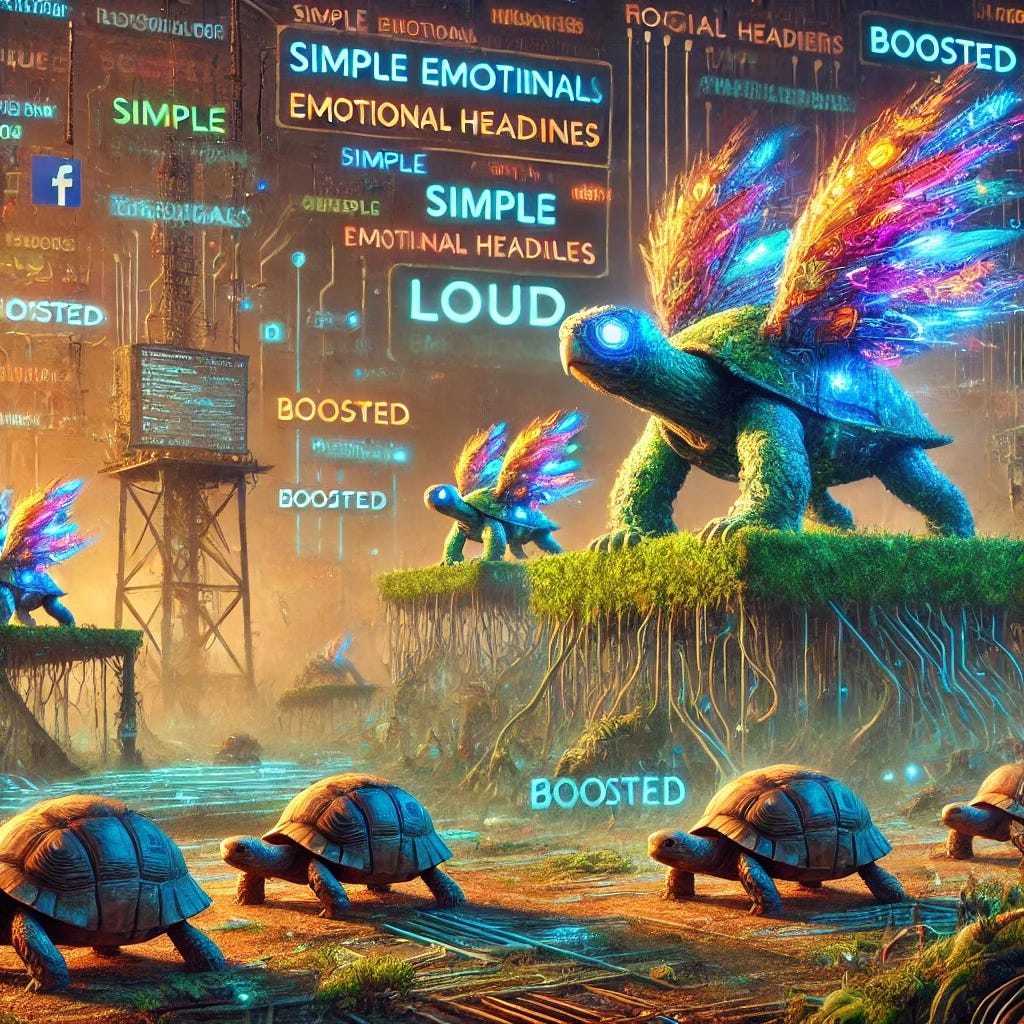
The internet promised something absolutely beautiful.
Total freedom of information.
No gatekeepers, or editors deciding which arguments were allowed to circulate.
Anyone could publish, speak, and participate in the global conversation.
Millions now publish analysis.
Independent writers.
Researchers.
Economists.
Podcasters.
Substack analysts.
YouTube explainers.
Entire battalions of extremely confident individuals.
The barrier to publishing ideas has never been lower.
A detail we all missed.
Publishing data is easy.
Being seen is what the algorithms decide.
Once content exploded, a new problem came up.
The internet solved the publishing issue.
It created a new bottleneck instead, discovery.
Tons of analyses can now be published.
Only a tiny fraction are actually seen.
That role once belonged to editors.
They worked inside newspapers, magazines, television networks.
Their job was pretty straightforward.
Choosing what the public sees.
Which stories to run.
Which perspectives get heard.
Which ideas deserve attention.
The system had many flaws.
Editors had biases. Institutions had incentives.
At least everyone knew who the editors were.
You could point them out, criticize them, argue with them, and even shit on them.
Then the internet said fuck these gates.
Suddenly anyone could publish.
Information flooded the network.
Interpretation decentralized.
We escaped institutional editors.
Then replaced them with robots trained on engagement metrics.
The network expanded on the number of voices that can speak.
But it also created new systems that decide which interpretations are heard.
The internet automated editors.
Before assuming this was some sinister master plan, it helps to understand something.
The digital environment is too large for individuals to curate.
Oceans of material produced every minute.
Videos.
Threads.
Articles.
Arguments.
Research.
Memes.
Hot takes.
Cold takes.
No newsroom could process that kind of volume.
Automated systems weren’t invented to manipulate reality.
They were invented because the internet broke the ability to sort data.
Someone had to organize the chaos.
Machines were the only systems fast enough to try.
Today the most powerful editors in the world no longer sit in newsrooms.
They exist inside recommendation systems.
Algorithms decide what billions encounter with every day.
Not just headlines.
Interpretation.
Analysis.
Explanations of reality itself.
Every scroll, refresh, suggested video, and “you might also like.”
You are not browsing the online world.
The internet is curating itself around you.
The modern world of information does not show you the world.
It shows you a version of it optimized for engagement.
Think about the last time you were on your phone.
One person’s feed shows a financial collapse.
Another’s shows record market highs.
A third is watching a 17 minute video explaining how ancient Rome predicts modern day politics.
Same shit.
Completely different realities.
The old media system produced a shared narrative.
The algorithmic system produces billions of personalized ones.
