They Regret Nothing

Nothing truly evil is happening anymore.
Nope, that would require intent.
AND intent would require someone to be accountable.
What we have instead is something far more American…
harm by process.
Half the country doesn’t even see this happening.
Because they’re living inside a different informational reality, curated to never show them.
Nobody hurt you, decided against you, or even remembers your name.
They just followed procedure.
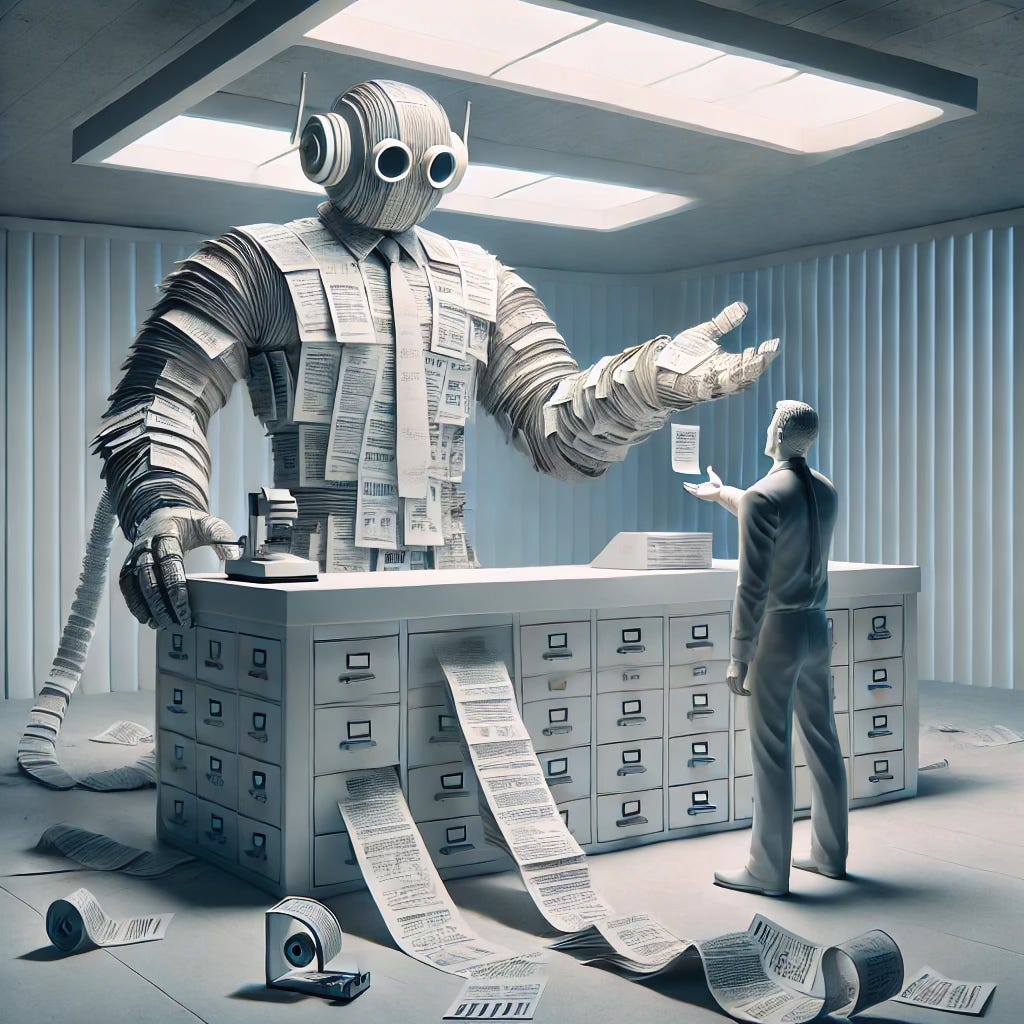
Cowards
When someone ruined your life, you could at least point at a human being. Now?
You’re told:
“That’s outside my scope.”
“The system doesn’t allow that.”
“My hands are tied.”
“I wish I could help.”
All said with a sympathetic nod.
Delivered with a dead stare.
Backed by absolutely nothing.
Funny how “my hands are tied” only ever applies downward, never upward, never to leadership, and never to paychecks.
“I don’t decide” has quietly become the most powerful lie in modern institutions, because it lets people keep authority without responsibility.
The modern day villain, forwards emails now.
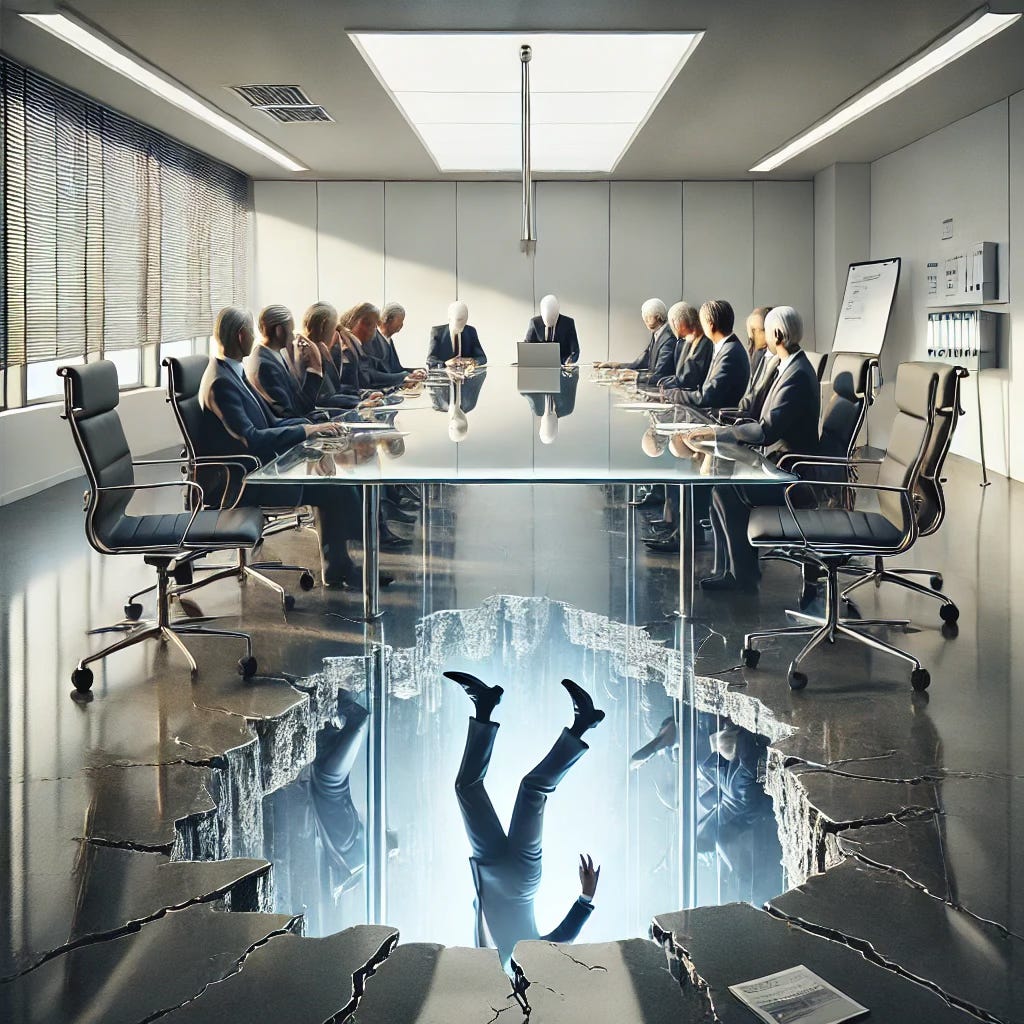
Healthcare
Where Conscience Goes to Die
You got denied care by a workflow, fyi.
Somewhere between:
a checkbox,
a risk model,
a utilization review,
and a policy written by someone who has never been sick,
your pain was converted into an acceptable risk.
Somewhere, a well rested professional with a six figure salary and a benefits package you will never see decided this outcome was reasonable.
No doctor looked you in the eye and said,
“I’ve decided your suffering isn’t worth it.”
That would require moral weight.
Instead, you got:
“The request does not meet criteria.”
Criteria for WHAT???
These systems are very humane… as long as you never have to rely on them…

Courts & Social Services
Harm as a Scheduling Error
You didn’t lose custody because someone thought you were dangerous.
You lost it because:
a form was filed late,
a hearing was postponed,
a box wasn’t checked correctly,
a caseworker had 300 other cases and zero emotional bandwidth.
Every rule that hurt you was written by someone far enough removed from the consequences to call it theoretical.
People who design friction rarely encounter it.
People who encounter it are told it’s character building.
And when you ask who made the call?
Everyone shrugs.
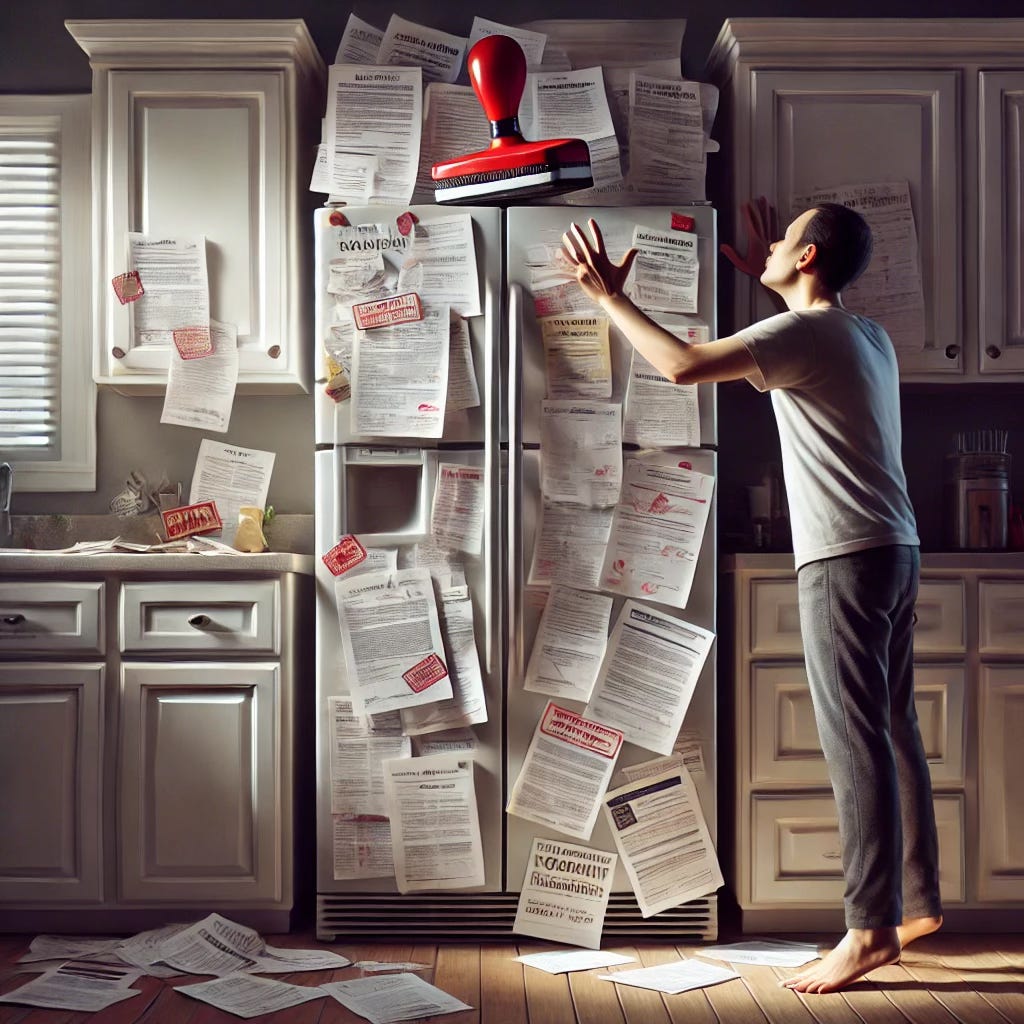
Appeals
Designed to Break You, Not Fix
Appeals are not there to help you, but to exhaust you.
They are:
slow
confusing
repetitive
dehumanizing
…All on purpose
If you persist, you’re labeled difficult.
If you give up, the system wins.
Appeals aren’t there to correct mistakes either.
They test how badly you want to keep living inside the system.
Justice is granted to those with time, money, literacy, and stamina, everyone else times out.
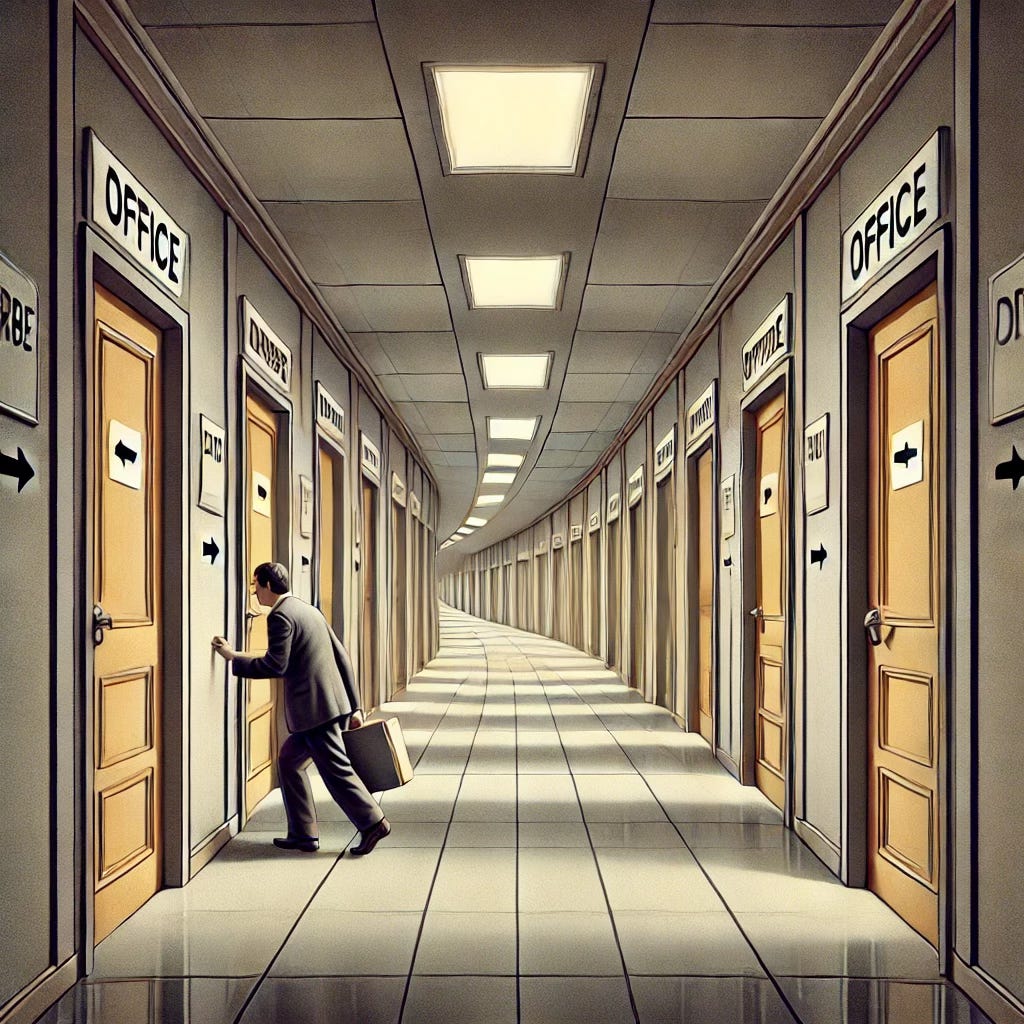
Moral Injury
The Rot Inside the Machine
The people inside these systems aren’t all villains.
But they are slowly becoming hollowed out.
When your job requires you to:
deny help you know is needed
enforce rules you know are wrong
tell people “sorry” while actively harming them
your soul starts to shut down.
Policy exists so people can do harm while still thinking of themselves as good.
Modern institutions specialize in responsibility without authority, blaming workers for outcomes they are structurally forbidden from changing.
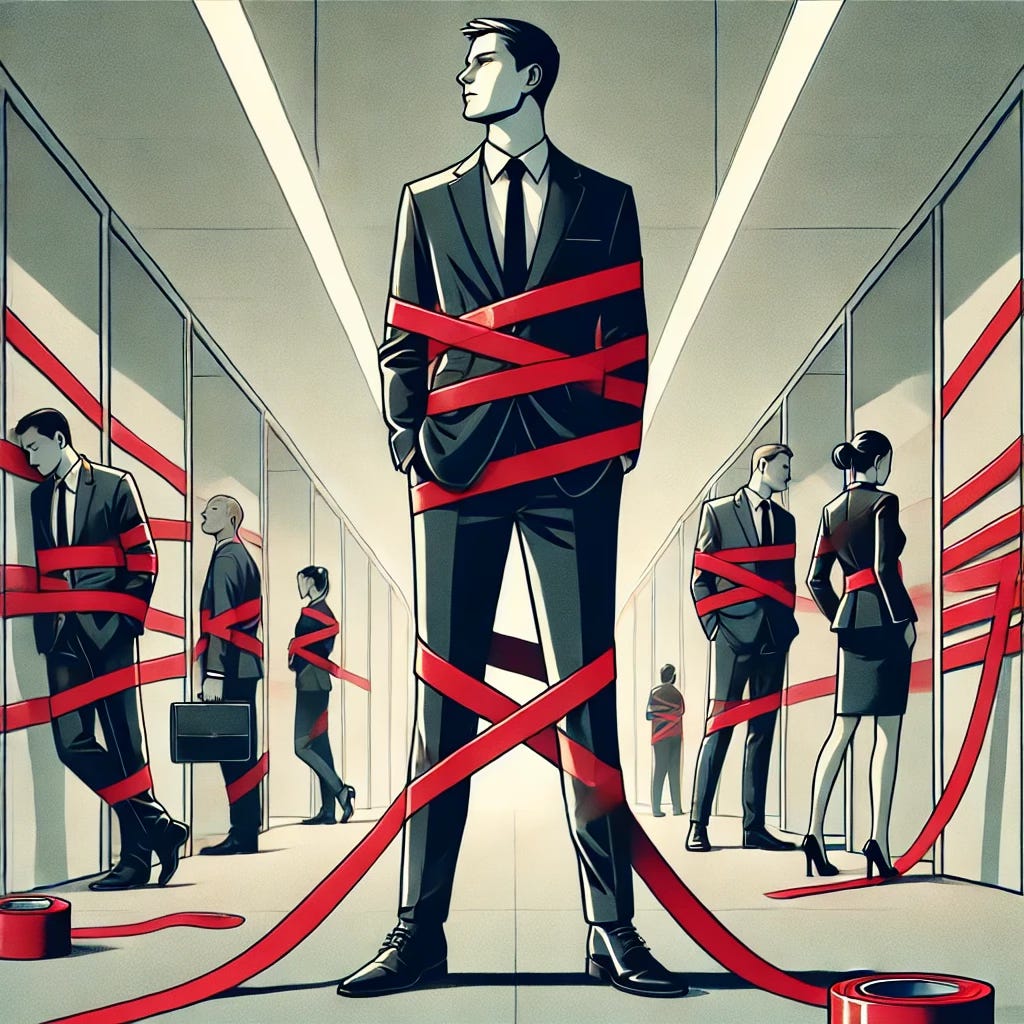
Evil Has Gone Corporate
Evil doesn’t need villains anymore.
It just needs:
plausible deniability
role separation
enough paperwork to blur responsibility
and people who really want their paycheck
When harm is split across five departments, everyone gets a paycheck and no one gets a conscience.
The highest moral authority in the room isn’t right or wrong, it’s whether this decision increases legal exposure.
And that’s how everyone involved gets to sleep at night.

Everyone Feels Like They’re Losing Their Mind
You’re trying to apply human morality to systems that have intentionally removed it.
You keep asking:
“Can’t someone just… do the right thing?”
And the system keeps replying:
“That option has been deprecated.”

So What Do We Do?
We reintroduce responsibility.
Ask for things in writing.
Ask who authored the policy.
Ask where discretion exists.
Ask what happens in exceptions.
Calmly, and persistently.
Systems start to malfunction when forced to be specific.
Document everything.
Follow up on everything.
Make it all traceable.
Refuse the emotional self blame they rely on.
Build human backchannels.
Share language.
Share patterns.
Compare notes.
And if you’re inside one of these systems?
Decide where your line is because “just doing your job” is how harm gets laundered into policy.
The most dangerous thing you can do to a system built on denial is describe it accurately.
Then, they can’t say no one decided anymore.
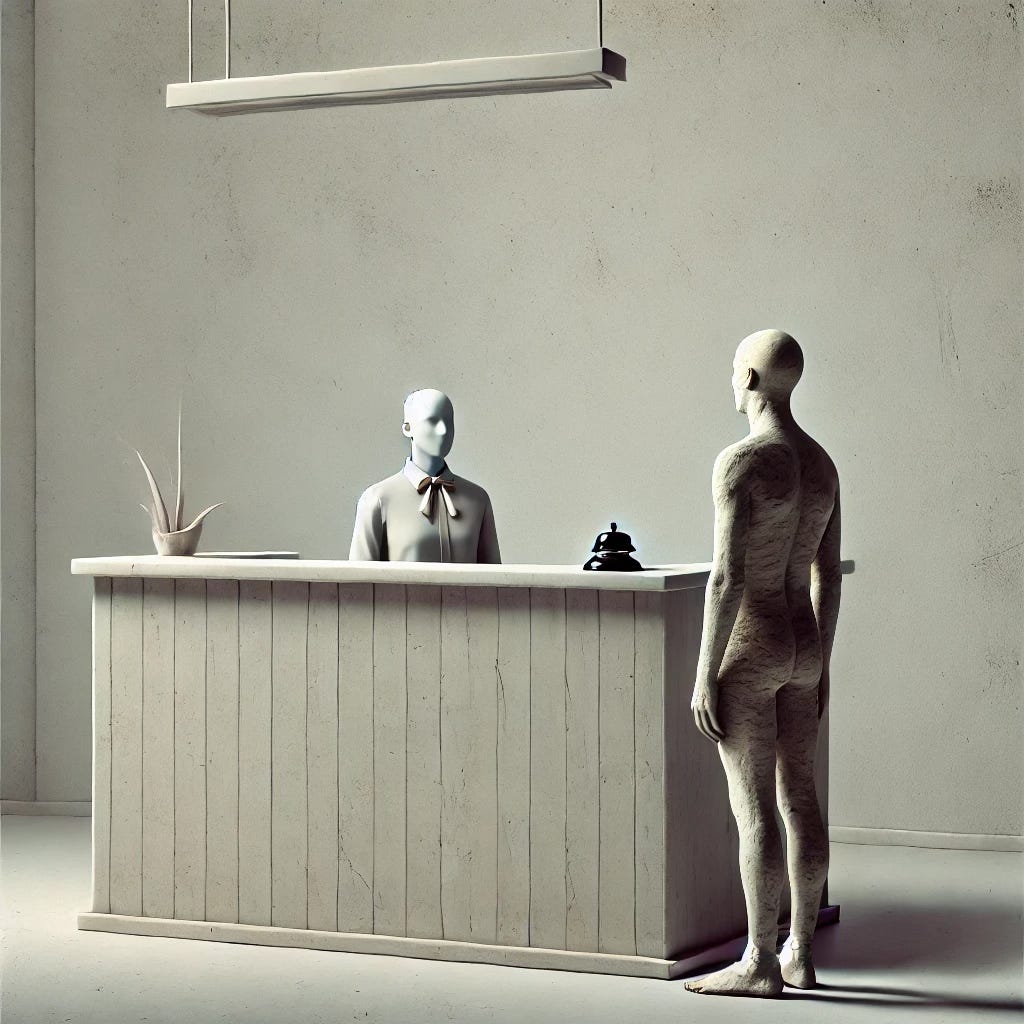
And Remember This…
Before evil was efficient, it needed monsters.
If we don’t start naming it, we’ll keep arguing about politics while being destroyed by process.
And the people responsible will keep saying, very calmly,
that it was never their decision.
Thank you…
to everyone who reads, shares, comments, disagrees thoughtfully, and keeps showing up here.
This work exists because of y’all.
If you’re new here, you should know this space isn’t just commentary. It’s also collaboration.
Roast for Relief exists to spotlight other creators to give real visibility, real recognition, and a little humor to people doing thoughtful work who deserve more eyes on it.
Roast & Rescue is where I break down why growth stalls, how platforms actually work, and what to do differently without pretending algorithms are gods or blaming people for systems designed to exhaust them.
If you’re building something and feel unseen, stuck, or quietly discouraged that’s exactly who this work is for.
Thanks for being here.
Thanks for supporting independent thinking.
And thanks for helping me help others do the same.
I read this somewhere; 1 When buying You are concerned with quality AND cost, 2. if You are buying for someone else you are concerned mostly with cost, 3 a wife using her husbands credit card is ONLY concerned about quality. 4..Government depts and officials care about neither quality nor cost because THEY DONT SUFFER THE CONSEQUENCES
“Just doing my job” doesn’t eliminate choice, it hides it.
The question isn’t whether systems cause harm. It’s who is willing to notice where discretion still exists and what they do with it.